Esperanto-USA announces the creation of the Committee on the 75th Anniversary of Esperanto-USA, in celebration of its milestone anniversary in 2027.
During the March board meeting of this year, the board approved a special committee to highlight the important upcoming milestone for Esperanto-USA. This committee will coordinate festivities in 2027, including the creation of a special logo, the preparation of an updated edition of A History of ELNA with new material covering 1905 – 1952, the selection of historically significant locations for the 2027 American Esperanto Congress, and the development of a program to celebrate and publicize the occasion. Its charter can be found here.
The special committee is composed of the following founding members: Elle BECK, David BECK, Bradford SMITH, and Izaak ZAWYRUCHA-MOORE.
The committee’s work supports Esperanto-USA’s lasting mission to “advance education and dissemination of the international language.” Izaak ZAWYRUCHA-MOORE, chair of the special committee, firmly believes that uncovering and educating about the history of the Esperanto movement in the United States is essential to teaching, informing, and guiding the future of the movement in the country, especially during turbulent times.
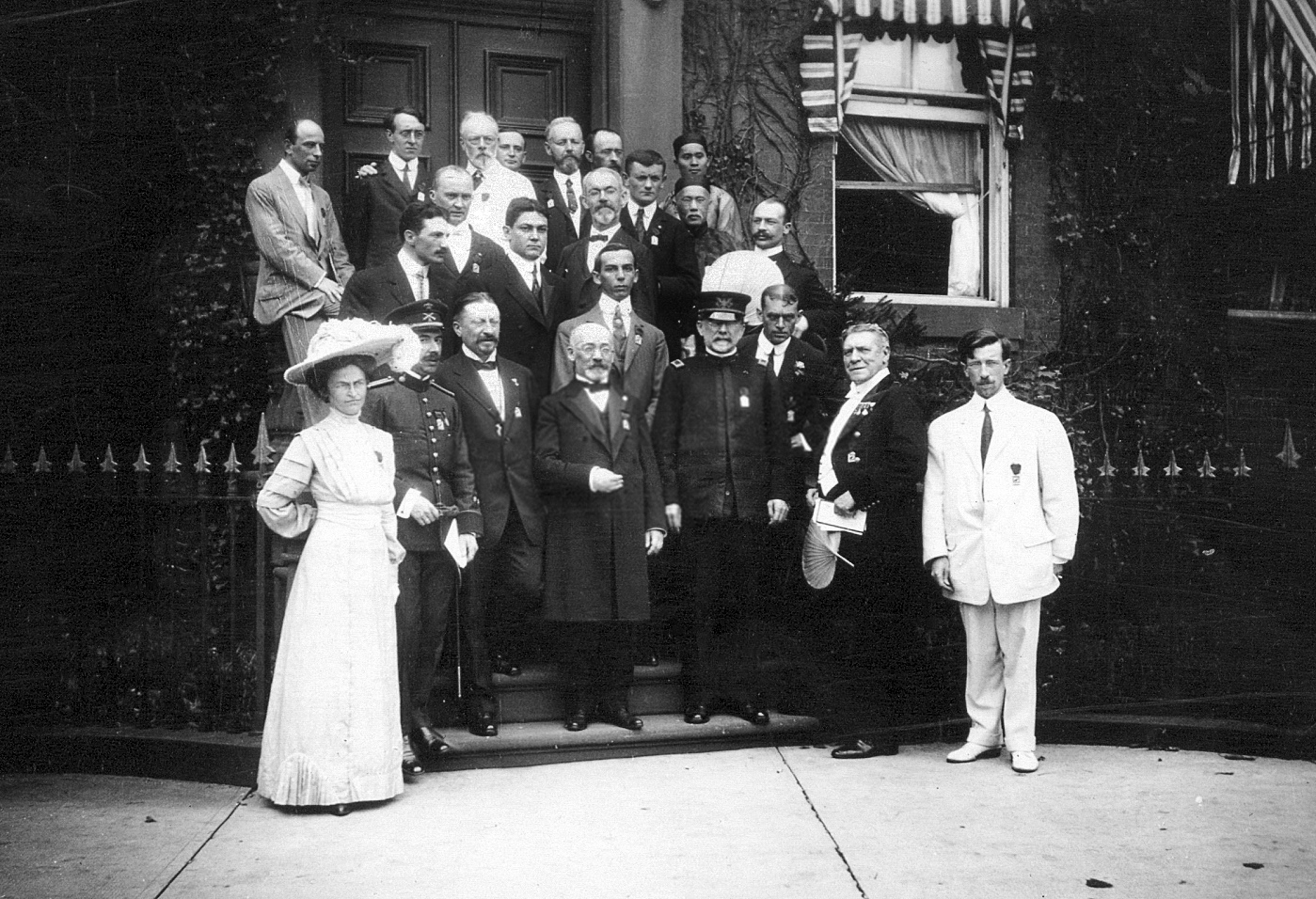
“We need a few enthusiastic volunteers to make it unforgettable,” says Izaak ZAWYRUCHA-MOORE. “If you are fascinated by our history, from Zamenhof’s 1910 greeting to our “Land of Freedom” in Washington, D.C., to early congresses in places like Madison, Wisconsin, and Sacramento, California, this is your opportunity to deepen that interest.”
If you are interested in volunteering with this special committee, contact Izaak ZAWYRUCHA-MOORE at izaak.zawyrucha@esperanto-usa.org.